

Tyndall Effect
The Tyndall effect makes a light beam visible through scattering by fine particles suspended in a gas or liquid. The …
The Tyndall effect makes a light beam visible through scattering by fine particles suspended in a gas or liquid. The …
Amphoteric oxides react with both acids and bases to form salts and water. Al2O3 + 6HCl = 2AlCl3 + 3H2O; Al2O3 + 2NaOH = …
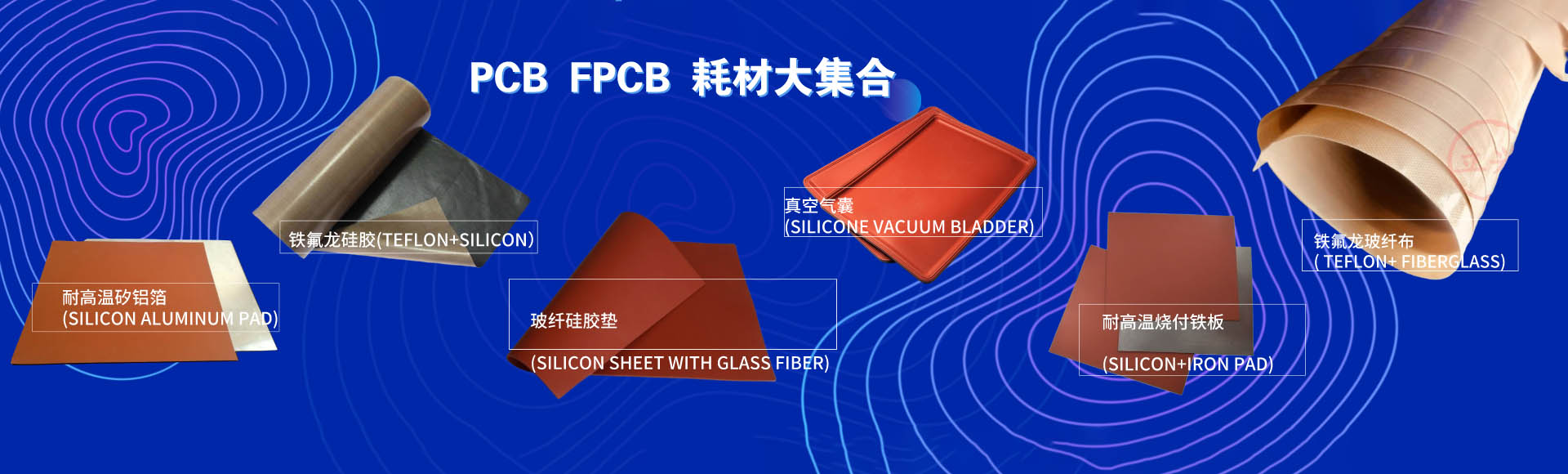
Glass-fibre reinforced silicone pads serve as PCB press cushions, yet rubber elasticity theory still has open questions: …
Thermal conductivity, in W/(m·K), shows how readily a material conducts heat. Reference values for common materials, …
Liquid silicone rubber is grouped by packaging (one-part or two-part) and by cure chemistry (condensation or addition), …
Silicon is a metalloid with atomic number 14, melting at 1414°C and boiling at 3265°C, with a diamond cubic structure. …
Electrons sit in shells and orbitals: the K, L and M shells hold up to 2, 8 and 18 electrons, and each orbital holds …
Silicone rubber is classed by cure method: HTV, a high molecular weight gum molded at about 160°C, and RTV, a liquid …
Ionization energy rises in a sawtooth pattern across a period and peaks at the noble gases. Covers the periodicity of …
Crosslinking efficiency E of an organic peroxide is the rubber's network density divided by the radical concentration. …
Vulcanization turns linear rubber molecules into a three-dimensional network, changing mechanical properties and …
Silicon, silica (silicates) and silicone are often confused. Covers silicon in the crust, quartz versus feldspar, what …
Tell us your process temperature, pressure and size requirements, and our engineers will recommend the right material.


