
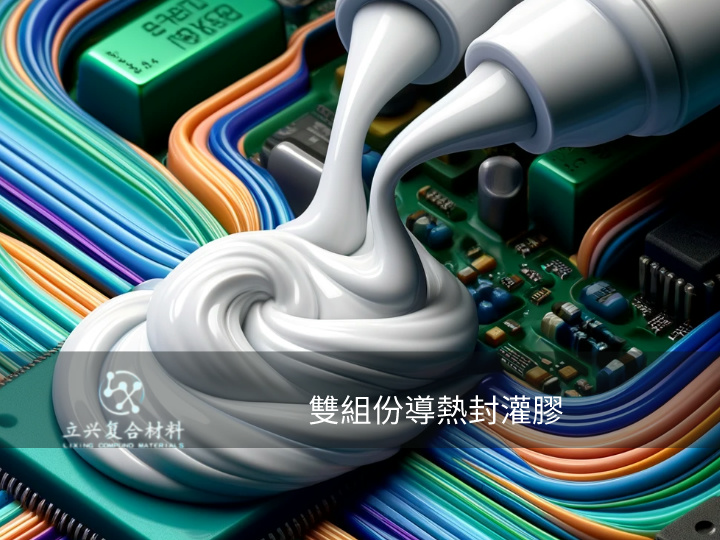
Two-Component Thermal Conductive Silicone Encapsulant (H-GF-GY)
Thermally Conductive Insulating SiliconeTwo-Component Thermal Conductive Silicone Encapsulant (H-GF-GY)
Two-component thermal conductive silicone encapsulant for protecting high-temperature electronic components, offering hi
- Brand
- Lixing Compound Materials
- Origin
- Zhuhai, Guangdong, China
- Supply
- Factory direct; custom sizes and cutting available
- Samples
- Samples available on request
Product Details
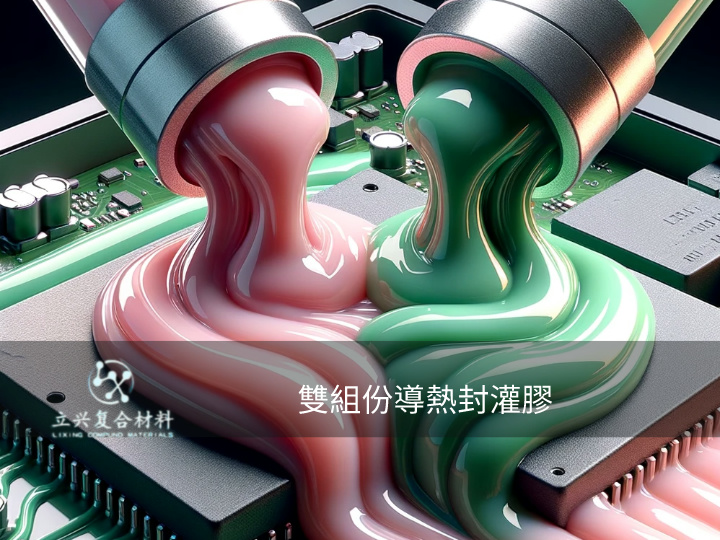
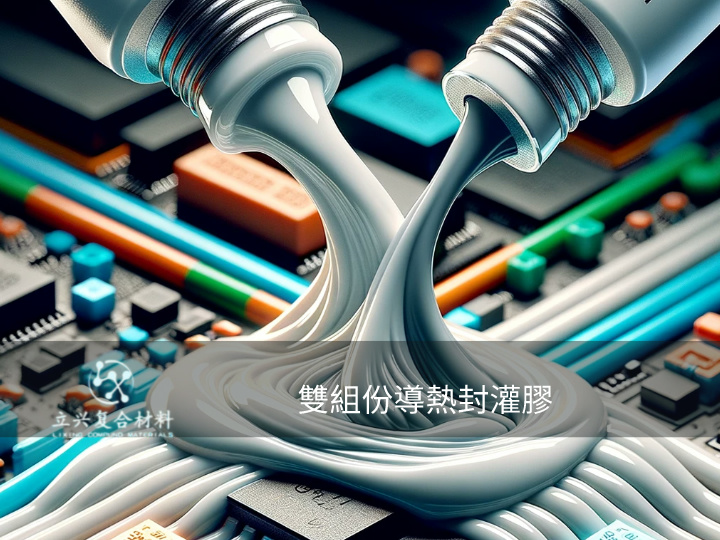
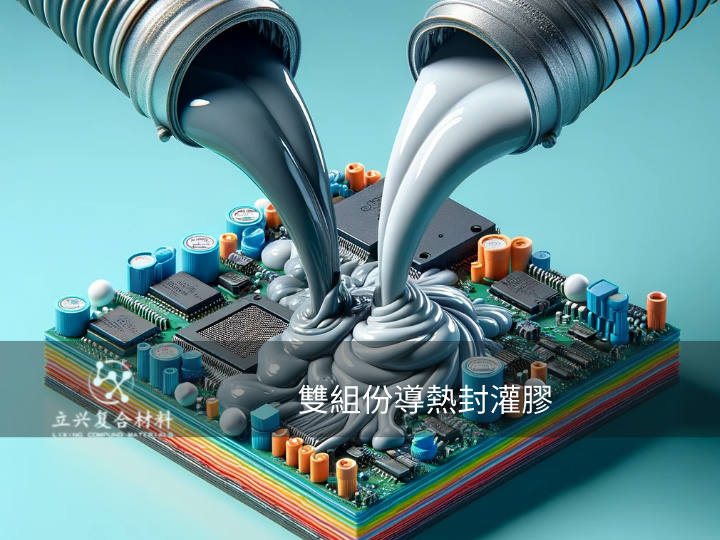
Two-component thermal conductive silicone encapsulant for protecting high-temperature electronic components, offering high thermal conductivity, self-adhesion and excellent electrical insulation. The two fluids are dispensed and mixed over the electronic components, providing efficient heat dissipation and reliable protection.
Two-Component Thermal Conductive Potting Compound: High-Efficiency Thermal Management and Protection for Electronic Components
H-GF-GY two-component thermal conductive potting compound is a high thermal conductivity, flame-retardant, two-component addition-cure silicone encapsulant. It cures at room temperature or can be heat-cured (the higher the temperature, the faster the cure). Its excellent flexibility and elasticity let it conform fully to uneven surfaces, conducting heat from the PCB or discrete components to the metal housing and significantly improving the efficiency and service life of heat-generating assemblies.
Why Choose the Lixing Composite Materials Thermal Potting Compound?
Efficient, stable heat transfer: High thermal conductivity ensures rapid heat transfer and effectively resolves heat build-up in electronic equipment.
Excellent processability: Self-adhesive, so no primer is required; the cured compound can be pried apart, making component repair easy.
Strong environmental resistance: Outstanding electrical insulation, water resistance, weathering resistance and high/low temperature resistance.
Fire safety: Meets the UL 94 V-0 top flame-retardancy rating, ensuring safe operation of electronic products.
Technical Parameters
1. Pre-Curing & Operating Properties
| Property | Value | Test Standard |
| Appearance (Part A) | White fluid | Visual |
| Appearance (Part B) | Gray fluid | Visual |
| Mix Ratio (A:B) | 1 : 1 (by weight) | — |
| Component Viscosity (A/B) | 30,000 cps | ASTM D2196 |
| Working Time | 40 ~ 60 min (@25°C) | — |
| Curing Time (Room Temperature) | 480 min (@25°C) | — |
| Curing Time (Heated) | 20 min (@80°C) | — |
2. Post-Curing Technical Parameters
| Property | Value | Test Standard |
| Thermal Conductivity | 1.0 / 3.0 W/m·K | ISO 22007-2 |
| Hardness | 55 ± 5 Shore A | ASTM D2240 |
| Specific Gravity | 3.0 g/cm³ | ASTM D792 |
| Tensile Strength | 1.2 MPa | ASTM D412 |
| Dielectric Strength | 10 kV/mm | ASTM D149 |
| Volume Resistivity | 1 * 10^13 Ω·cm | ASTM D257 |
| Dielectric Constant | 5.0 (@1MHz) | ASTM D150 |
| Flame Retardancy | V-0 | UL 94 |
Application Process and Precautions
Mixing: Stir Parts A and B separately before mixing, then combine at a 1:1 weight ratio. Keep the ratio error within 3% to avoid affecting cure performance.
Potting and degassing: Pour the mixed compound into the device; vacuum is generally not required. If very high thermal conductivity is needed, vacuum degassing before pouring is recommended.
Curing conditions: Room-temperature curing is slow in winter, so heat curing at 80°C (20 minutes) is recommended; at room temperature allow about 8 hours.
Ambient conditions: At higher ambient temperatures the working life after mixing is correspondingly shorter.
Thermal Conductive Silicone Encapsulant: Premium Solution for Electronic Protection
The H-GF-GY Thermal Conductive Encapsulant is a high thermal conductivity, flame-retardant, two-component addition-cure silicone. It can be cured at room temperature or accelerated by heat. Its flexibility and elasticity allow it to cover uneven surfaces, conducting heat from PCB components to the outer casing, thereby significantly improving the efficiency and service life of high-power devices.
[Why Choose Our Silicone Encapsulant?]
High Thermal Efficiency: Fast heat transfer ensures rapid cooling of sensitive electronic devices.
Process Flexibility: Self-adhesive properties eliminate the need for primers; cured material can be pried open for easy component repair.
Robust Protection: Features excellent insulation, waterproofing, and weather resistance against extreme temperatures and aging.
Certified Safety: Complies with UL 94 V-0 flame retardancy for maximum safety standards.
[Technical Specifications]
1. Pre-Curing & Operating Performance
| Performance Indicators | Specification | Test Standard |
| Appearance (Part A) | White Fluid | Visual |
| Appearance (Part B) | Gray Fluid | Visual |
| Mix Ratio (A:B) | 1 : 1 (by Weight) | — |
| Viscosity (A/B) | 30,000 cps | ASTM D2196 |
| Operable Time | 40 ~ 60 min (@25°C) | — |
| Curing Time (RT) | 480 min (@25°C) | — |
| Curing Time (Heat) | 20 min (@80°C) | — |
2. Post-Curing Technical Parameters
| Performance Indicators | Specification | Test Standard |
| Thermal Conductivity | 1.0 / 3.0 W/m·K | ISO 22007-2 |
| Hardness | 55 ± 5 Shore A | ASTM D2240 |
| Specific Gravity | 3.0 g/cm³ | ASTM D792 |
| Tensile Strength | 1.2 MPa | ASTM D412 |
| Dielectric Strength | 10 kV/mm | ASTM D149 |
| Volume Resistivity | 1 * 10^13 Ω·cm | ASTM D257 |
| Dielectric Constant | 5.0 (@1MHz) | ASTM D150 |
| Flame Retardant | V-0 | UL 94 |
[Usage Instructions & Applications]
Mixing: Stir components A and B separately before mixing. Maintain a 1:1 weight ratio within a 3% error margin to ensure proper curing.
Degassing: Vacuum degassing is recommended before pouring if the highest thermal performance is required.
Curing: Heating to 80°C for 20 minutes is recommended in winter or for fast production cycles.
Applications: Ideal for high-power LED lamps, power supplies, transformers, sensors, coils, and general electronic component protection.
Related Products

Insulating Bushing
Insulating bushings are used with heat sinks to electrically isolate fastening screws from heat-generating metal parts. Mounted on transistors, they prevent short circuits between chips and metal heat sinks.
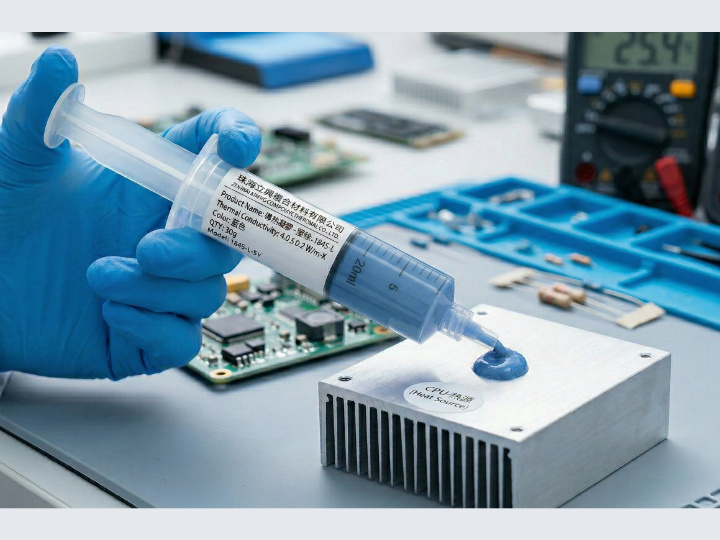
4W Thermal Gel (Blue, Single-Component)
This product is a single-component, high-performance blue thermal gel, an excellent thermal interface material (TIM). De
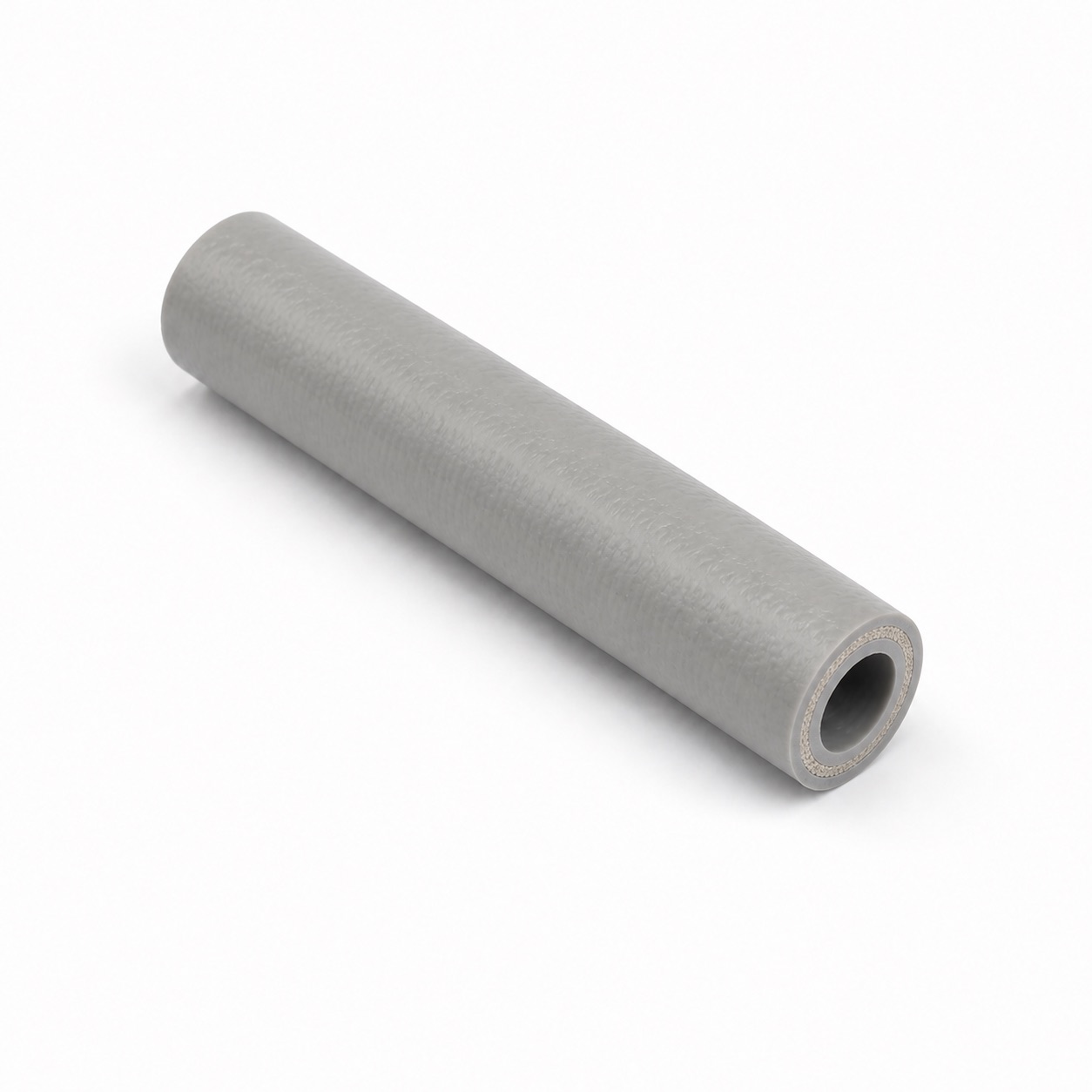
G-TT-GY Fiberglass-Reinforced Thermal Conductive Silicone Tube
The G-TT-GY fiberglass-reinforced thermal conductive silicone tube has a ring-shaped fiberglass cloth reinforcement laye
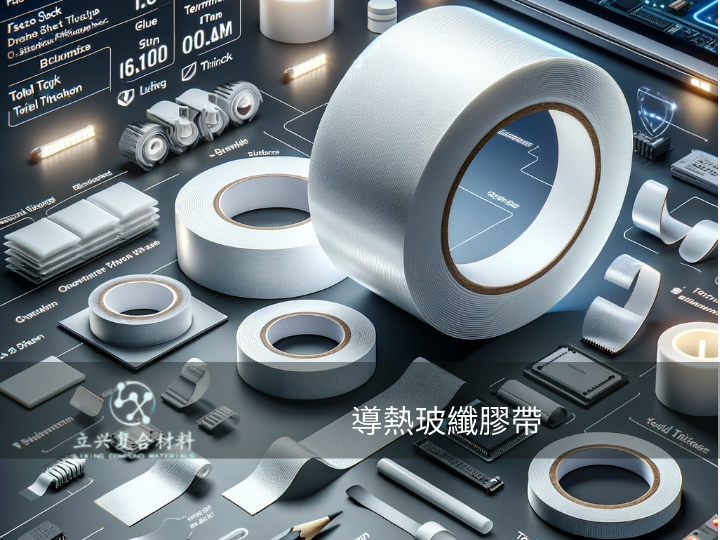
H-GT-WH Fiberglass Thermal Conductive Tape
Fiberglass thermal conductive tape is a high-performance heat-dissipation material designed for the thermal management o