
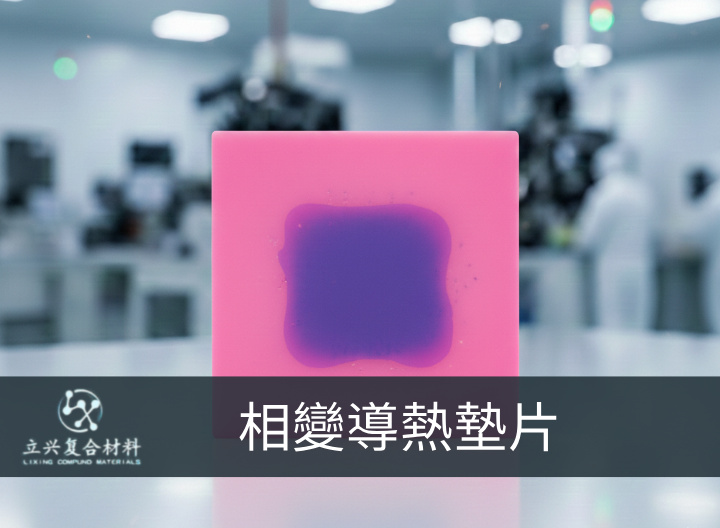
LXPCM Phase Change Thermal Pad Series
Thermally Conductive Insulating SiliconeLXPCM Phase Change Thermal Pad Series
The LXPCM series phase change thermal pad combines the easy handling of a thermal pad with the ultra-low thermal resista
- Brand
- Lixing Compound Materials
- Origin
- Zhuhai, Guangdong, China
- Supply
- Factory direct; custom sizes and cutting available
- Samples
- Samples available on request
Product Details
Key Advantages
Overview: The LXPCM series phase change thermal pad combines the easy handling of a thermal pad with the ultra-low thermal resistance of thermal grease. At room temperature it is a solid sheet, easy to cut and place by automated assembly; when the device reaches the phase change temperature range, the material undergoes a physical phase change and fully wets the interface, expelling air gaps and delivering a thermal impedance of only 0.08 °C·in²/W. Compared with conventional thermal grease it does not pump out or dry-crack, greatly improving the service life and stability of electronic products.
Why it matters: Because the LXPCM Series Phase Change Thermal Pad stays solid until operating temperature, it ships, die-cuts and assembles like a pad yet performs like grease once in service, holding its minimum thermal resistivity of 0.08 °C·in²/W without pump-out or dry-out across the lifespan of high-performance electronics.
Phase Change Thermal Pad Series: Advanced Heat Dissipation and Interface Filling
Phase Change Thermal Pad Series: Premium Solution for Advanced Thermal Management
In high-end electronics processes that demand the ultimate in heat dissipation, the phase change thermal pad is a core consumable for maximizing heat-transfer efficiency. The LXPCM series high-performance phase change thermal interface material developed by Lixing Composite Materials softens once it reaches its phase change temperature, providing liquid-like gap filling that ensures full contact between the heat-generating component and the heat sink.
Why Choose the Lixing Phase Change Thermal Pad?
The LXPCM series phase change thermal pad has unique dynamic physical properties that overcome the interface thermal resistance challenges conventional thermal pads cannot:
Dynamic interface filling: Gradually softens above the phase change temperature (45°C ~ 55°C), flowing like a liquid to penetrate and fill the fine irregularities between heat-dissipating surfaces.
Very low interface thermal resistance: Thermal impedance of only 0.08 °C·in²/W rapidly conducts heat from the chip to the thermal module, improving system stability.
High thermal conductivity: A stable thermal conductivity of 4W/mk suits high heat-load environments such as high-power modules and servers.
Outstanding reliability: Wide operating temperature range (-40°C ~ 125°C); it neither dries out and cracks nor sags under long-term thermal cycling, maintaining excellent physical properties.
Technical Specifications & Applications
For the heat-dissipation needs of high-end electronic components, power modules and automotive electronics, we provide the following parameters:
| Property | Test Results | Test Method |
| Product Name | Phase Change Thermal Pad | — |
| Product Code | LXPCM Series | — |
| Thermal Conductivity | 4 W/m·K | ASTM D5470 |
| Phase Change Temp | 45°C ~ 55°C | — |
| Thermal Impedance | 0.08 °C·in²/W | ASTM D5470 |
| Thickness | Customizable | — |
| Density | 2.8 g/cm³ | ASTM D792 |
| Temp Range | -40°C ~ 125°C | — |
Phase Change Thermal Pad Series: High-Performance Thermal Interface Solution
The LXPCM Series is a high-performance Phase Change Thermal Interface Material developed by Lixing. Its core characteristic lies in its ability to soften progressively upon reaching the phase change temperature, allowing it to flow and fill microscopic air gaps and surface irregularities between heat-generating components and heat sinks.
Why Choose the LIXING Phase Change Thermal Pad?
Designed for high-end thermal management, the LXPCM series provides a reliable alternative to traditional thermal pads and grease:
Optimized Interface Filling: Softens at 45°C ~ 55°C to behave like a liquid, maximizing the contact area and minimizing contact resistance.
Ultra-Low Thermal Resistance: With a resistivity of only 0.08 °C·in²/W, it ensures rapid heat transfer for critical electronic components.
Robust Thermal Performance: Offers a thermal conductivity of 4 W/m·K, ideal for high-power density applications.
Long-Term Stability: Operates reliably from -40°C to 125°C without the drying or “pump-out” issues commonly found in thermal greases.
Related Products

Insulating Bushing
Insulating bushings are used with heat sinks to electrically isolate fastening screws from heat-generating metal parts. Mounted on transistors, they prevent short circuits between chips and metal heat sinks.
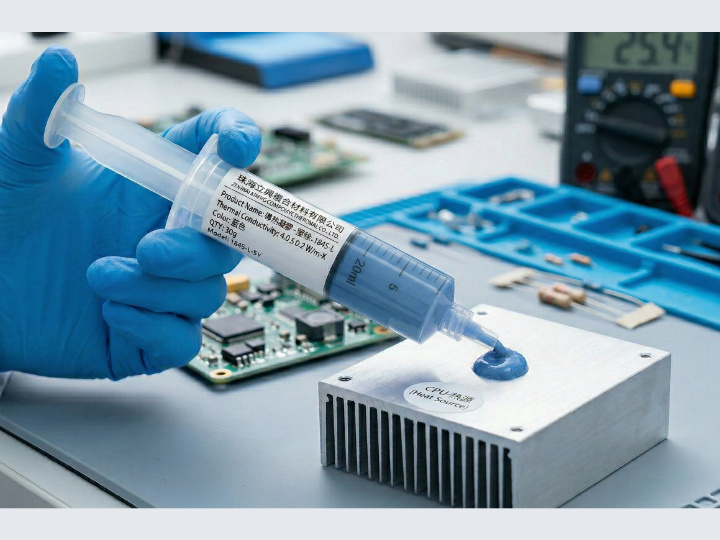
4W Thermal Gel (Blue, Single-Component)
This product is a single-component, high-performance blue thermal gel, an excellent thermal interface material (TIM). De
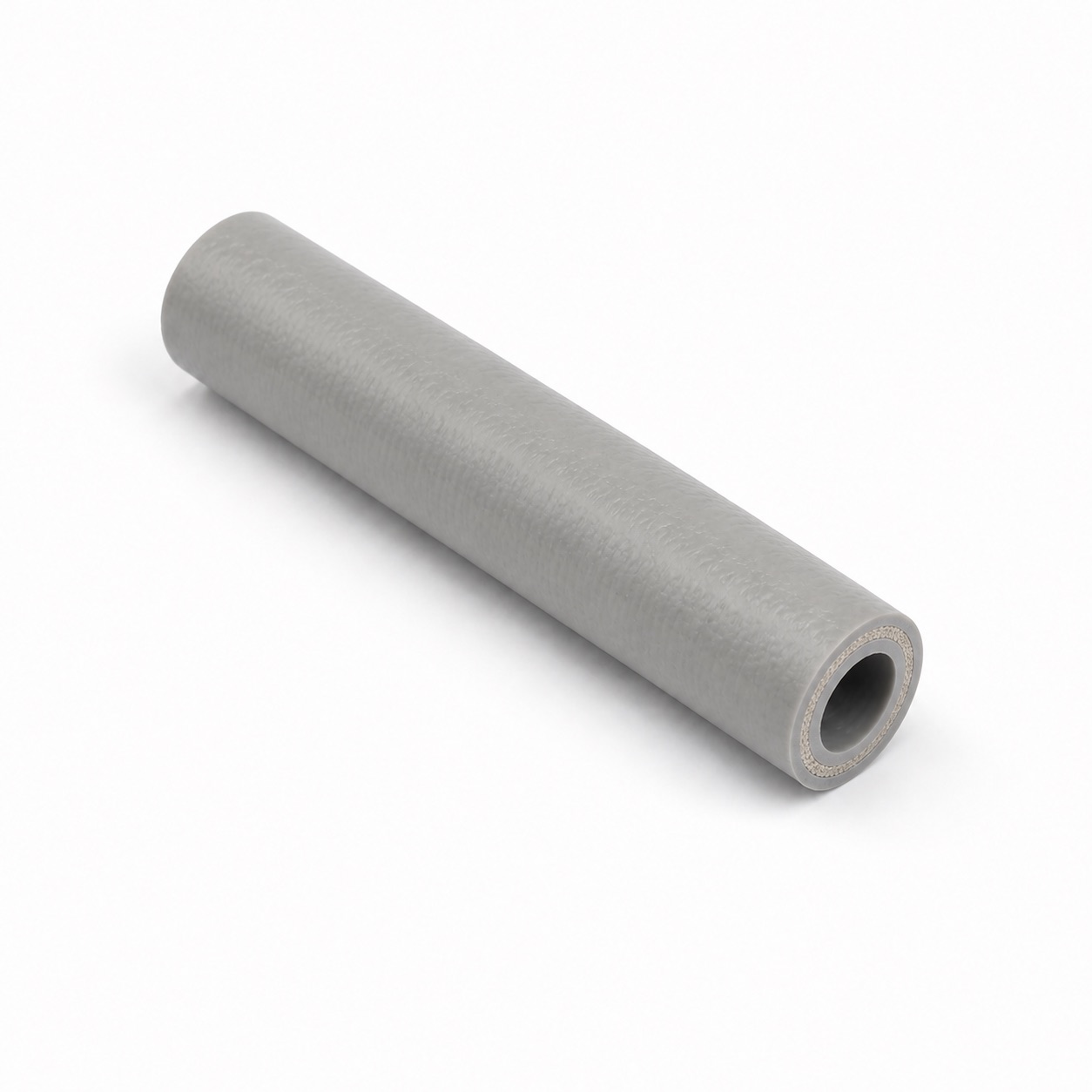
G-TT-GY Fiberglass-Reinforced Thermal Conductive Silicone Tube
The G-TT-GY fiberglass-reinforced thermal conductive silicone tube has a ring-shaped fiberglass cloth reinforcement laye
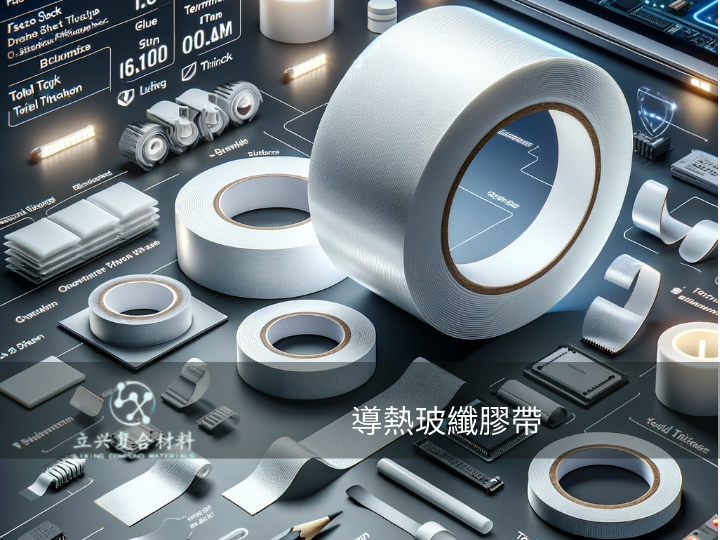
H-GT-WH Fiberglass Thermal Conductive Tape
Fiberglass thermal conductive tape is a high-performance heat-dissipation material designed for the thermal management o