
Thin Green Silicone Sheet Supports Clean Release in LCM Hot Pressing
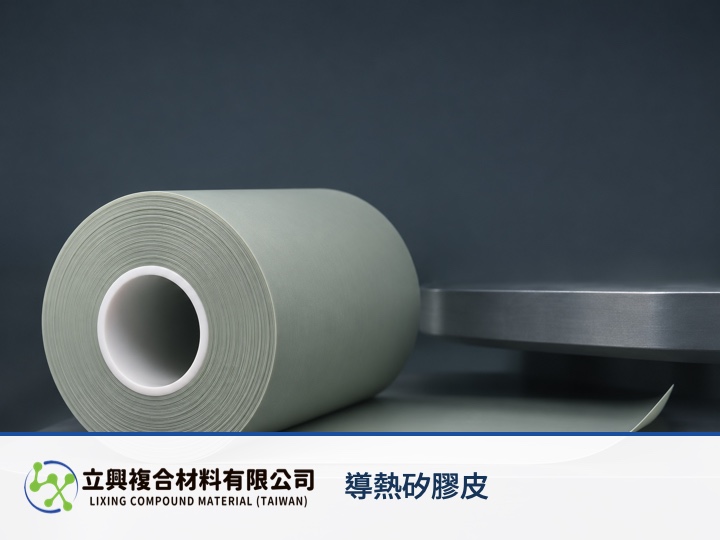
LCM display and FPC hot pressing can use a gray-green Thin Green Silicone Sheet when clean release, heat transfer, and cushioning must share one thin layer. The official page describes a non-stick, powder-free, flat surface that does not bleed oil, making the sheet relevant to precision electronic pressing where surface contamination and post-press sticking matter.
A non-stick surface supports cleaner separation
A press buffer that adheres to FPC, IC, or glass can pull locally during removal. The product page identifies non-adhesion as a material feature and states that the sheet is intended to avoid damage to those sensitive substrates. Release performance still requires a sample trial with the target temperature, pressure, and contact material.
A powder-free, flat face protects the contact zone
Loose powder or local waviness can introduce particles and uneven pressure into the bonding zone. The official data describes this thermal silicone sheet as powder-free and highly flat, supporting ACF hot pressing for flat-panel displays and other precision electronic components that need a clean contact face.
The thin format retains thermal and cushioning inputs
The product page lists a 0.26 mm standard thickness, thermal conductivity of 1.0 to 1.5 W/m·K, and hardness of 60 to 70 Shore A. These values describe different material properties and do not establish production yield by themselves. Press pressure, dwell time, and interface condition must be assessed together.
Published thermal and electrical boundaries aid screening
The official page lists an operating range of -40°C to 200°C, a momentary upper temperature of 340°C, withstand voltage of at least 4 kV, and UL 94 V-0/V-1 ratings. Treat them as screening inputs and verify the supplied grade and supporting documents before qualification.
Using the Young–Dupré relation to discuss release
Wetting can be discussed with W_A = γ_LV(1 + cos θ). W_A is thermodynamic work of adhesion in J/m², γ_LV is liquid-vapor surface tension in N/m, and θ is the equilibrium contact angle. The NIST reference shows that, for the same liquid, a larger contact angle gives a lower calculated work of adhesion. The equation assumes ideal equilibrium wetting. Roughness, contamination, temperature, pressure, viscoelasticity, and dynamic separation affect real hot-press release, so this is not a peel specification for the product.
Send the interface and process conditions with a sample request
Specify the pressed materials, operating and peak temperatures, pressure, dwell time, dimensions, and acceptable surface residue. Lixing does not offer online checkout; contact yw@zh-lx.com or LINE/WeChat jerryhuang for samples and specification consultation.
Place clean release and heat distribution in one layer
For LCM display hot-press bonding and FPD ACF lamination, the sheet's non-stick, powder-free, flat surface supports clean separation while retaining thermal transfer and cushioning inputs. Review the Thin Green Silicone Sheet product page, then validate it under the actual process conditions.