
PTFE Tape Wear on Heat Sealers: Replace the Roll Before Seals Start Sticking
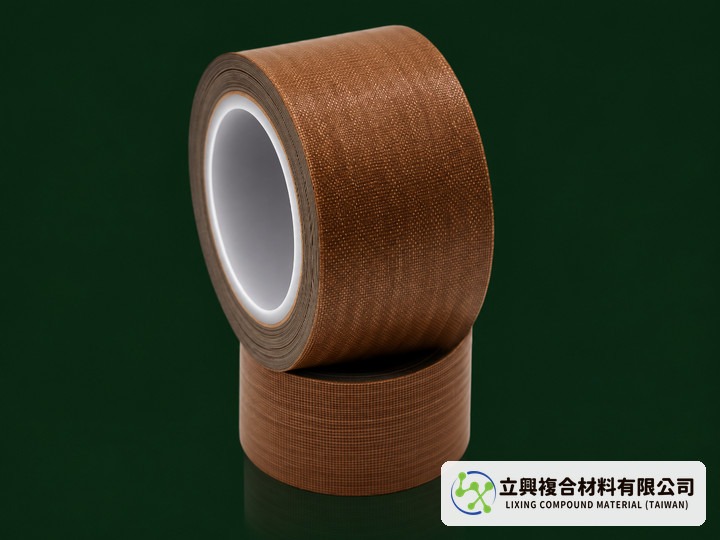
On a packaging line, waiting until the seal starts sticking is too late to change the PTFE tape on a heat sealer. Replace the roll once the 0.08 mm PTFE film shows a shiny wear band, a tear, or melted residue that will not wipe off. Lixing PTFE film tape is rated to 260°C, its smooth surface keeps molten packaging film from sticking, and it is reinforced and easy to replace, so swapping a strip costs far less line time than stopping to scrape burnt film.
Quick changeovers keep downtime short
Tape on a sealing jaw is a consumable, so how easily it comes off decides how long maintenance takes. The product page notes that the tape is easy to replace and reusable, which lowers maintenance cost: peel the old strip, clean the heated face and apply a new length without dismantling the heater.
No film sticking on a 260°C sealing face
Packaging film melts at the sealing jaw, and once it sticks it strings and scorches. The product page lists a maximum temperature of 260°C and a smooth surface that molten film residue does not cling to, which suits the heat-sealing parts of packaging and bonding machines.
The 0.08 mm PTFE film is the wear layer you can see
Of the 0.15 mm total thickness, 0.08 mm is PTFE film and 0.07 mm is adhesive. The top PTFE film is what touches the packaging film and wears, so a thinner film, a change in gloss or the adhesive colour showing through is the clearest replacement signal.
Tensile strength and elongation help it lie flat
The product page lists 150 N / 50 mm tensile strength, 200% elongation and 850 g / 25 mm peel strength. The tape can be drawn smoothly over curved jaws or rollers, and brown, black and white versions make it easy to tell a fresh strip from a worn one.
Three signs that the roll is due
- A shiny or thinned band, or adhesive colour showing through the film.
- Seal edges that start to stick, string or brown.
- Lifted edges, tears, or residue that stays after cleaning.
Why more pressure wears the tape faster
The DoITPoMS tribology package from the University of Cambridge derives the Archard wear equation, Q = K × W / H. Q is the wear volume per unit sliding distance (m³/m), K is a dimensionless wear coefficient measured for the actual material pair, W is the total normal load (N) and H is the indentation hardness of the softer surface (Pa). Higher jaw pressure, film sliding across the face, or heat softening the surface all wear the same strip faster. The model covers dry sliding wear dominated by asperity contact and only compares relative trends on one machine; K has to be measured, and heat ageing, cuts and residue build-up sit outside it, so it cannot predict this tape's life or a fixed replacement interval.
Other heat and release jobs
The same changeover logic applies to sizing and drying roller wraps and to release protection in thermoplastic composite moulding. For heat resistance selection on sealing equipment, see PTFE film tape for high-temperature resistance; this article covers how to tell when the tape in service needs replacing.
What to send when requesting samples
Share the jaw width and length, set temperature, pressing method (flat or roller), packaging film type, current replacement frequency and preferred colour. We will suggest a slit width and confirm wear behaviour with a trial on your machine.
For maintenance teams on packaging and heat sealing lines, PTFE film tape offers a non-stick 260°C face, visible wear and quick changeovers. Request a sample or a specification consultation at yw@zh-lx.com.
#PTFETape #HeatSealer #PackagingSealing #HighTemperatureTape #NonStickTape