
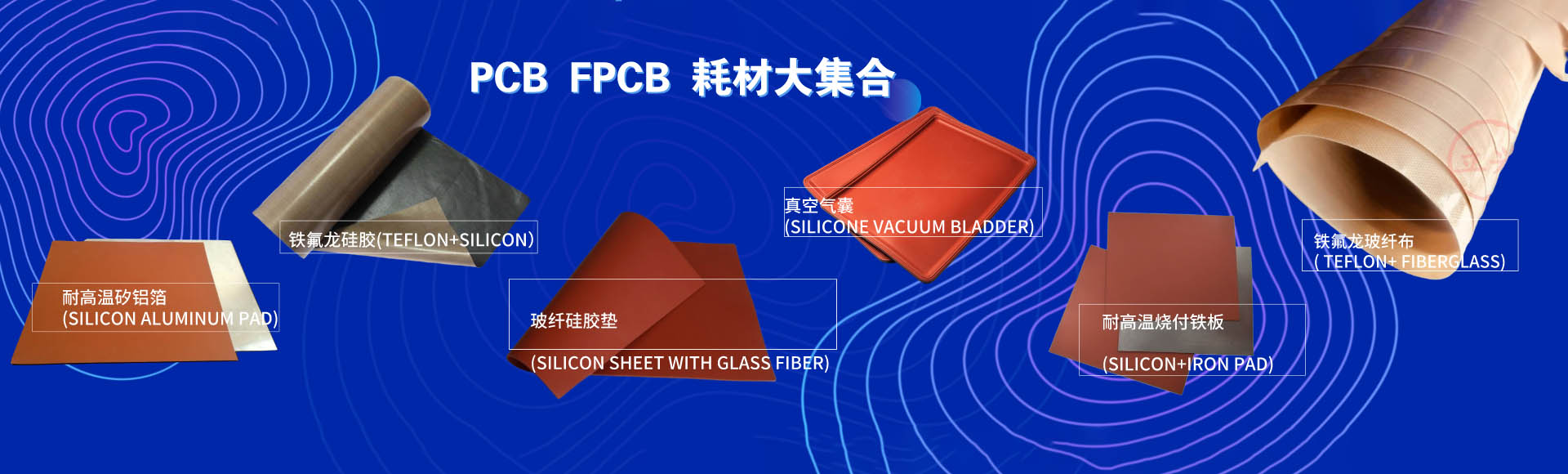
Silicone Iron Pad for FPC Lamination Voids: Check Flat Contact and Cushioning
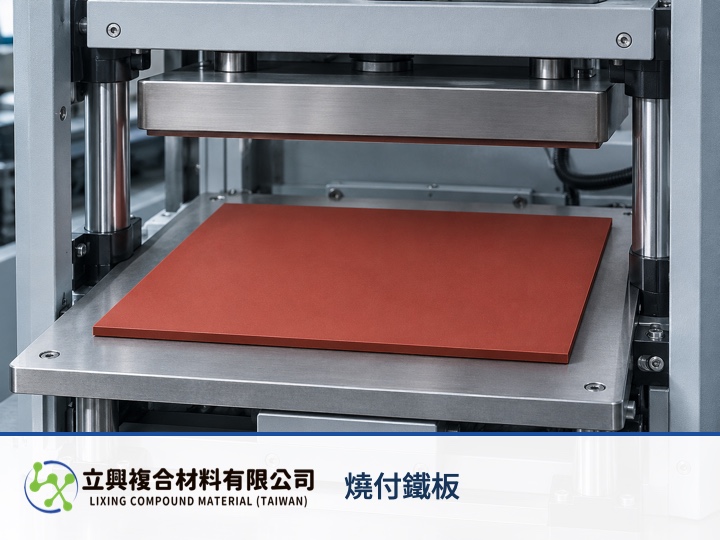
When voids or bubbles appear between FPC layers, a Silicone Iron Pad combines a 1.0 mm steel plate for flat support with a 2.0 mm silicone layer for cushioning and filling. Engineers and buyers at PCB and FPC lamination plants can first verify platen condition and full pad contact, then compare pressure, temperature and venting timing to narrow the cause.
Flat steel support makes pressure distribution easier to control
The 1.0 mm steel base of the Silicone Iron Pad provides structural support. The product page requires a smooth, scratch-free platen and full contact between the steel plate and lower platen. A lifted edge or trapped debris can create a local contact difference, so contact condition deserves checking before pressure is increased.
Silicone cushioning follows local height variation
The 2.0 mm high-performance silicone layer provides cushioning and filling within a total thickness of 3.0 mm. Its brick-red face should remain clean and intact. The product page recommends covering the silicone face with fiberglass cloth during use to limit oil bleed that could affect product quality. Actual results still depend on the stack and press conditions.
The 80–120 kgf/cm² range is a check, not a shortcut
The listed operating pressure is 80–120 kgf/cm², with compatibility for Beyond BAK-80T, BAK-120T and BAK-150T quick presses. When bubbles occur, evaluate pressure uniformity, heat and dwell timing for air escape, and stack flatness together. A single pressure setting cannot identify the cause by itself.
Boyle's law explains trapped-air volume
NASA Glenn's explanation of Boyle's law gives P1 × V1 = P2 × V2. P1 and P2 are absolute gas pressures, while V1 and V2 are gas volumes. At approximately constant temperature and fixed gas amount, greater pressure reduces volume. Real hot pressing changes temperature and includes resin flow, venting and viscoelastic effects, so this model explains why trapped air must escape but cannot predict bubble rate or yield.
A stable consumable condition supports repeatable diagnosis
The product page lists 8,000–10,000 cycles under normal operation and temperature resistance above 250°C. These figures support consumable planning, while replacement decisions should also consider silicone-face damage, steel-plate flatness and process records. If defects recur in one location, inspect the platen and pad contact face before changing the entire process window.
Bring traceable conditions to sample selection
For FPC quick-press sampling, provide the press model, platen dimensions, operating pressure and temperature range, and the location of observed voids. Lixing Composite Materials Co., Ltd. can help match the formal product specification to the application boundary. This article presents selection reasoning and does not replace validation on the actual equipment and stack.